🍁 Proudly Canadian — We research & recommend the best outdoor gear. Affiliate links help support our work at no extra cost to you.

Ultimate Guide to Winter Hiking in Canada: Essential Gear for Staying Warm and Safe (Part 2)
Part 2 dives deeper into head-to-toe protection, mobility in deep snow, emergency prep, and real-world Canadian trail advice
Posted by Gear Up 4 Outdoors Team
3/19/2026
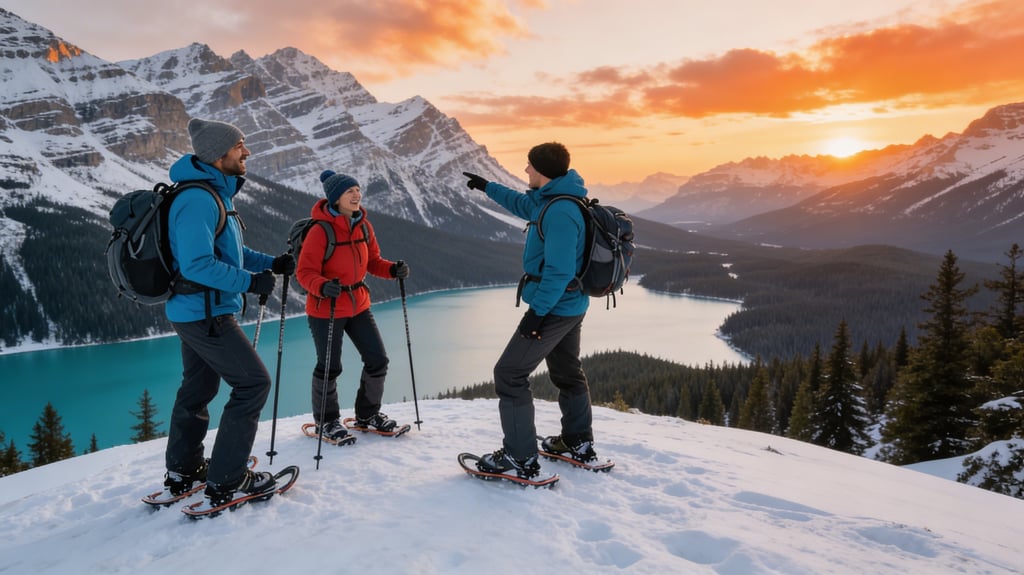
In Part 1, we covered the foundation: smart layering (moisture-wicking base, insulating mid, weatherproof shell), insulated jackets and pants built for -20°C to -40°C Canadian snaps, plus insulated waterproof boots with good grip for icy trails. If you missed it, check Part 1 here (/ultimate-guide-winter-hiking-canada-part-1) for the basics that keep your core warm and dry.Now in Part 2, we move to protecting extremities (head, hands, feet in motion), tackling deep snow and ice, packing smart for day hikes or overnights, and must-have safety/navigation items. These picks are battle-tested on trails from Banff's icy paths to Algonquin's backcountry, Gatineau Park snowshoe routes, and coastal Newfoundland blizzards.
1. Head, Face, and Neck Protection: Don't Lose Heat Where It Escapes Fastest. Your head loses heat quickly in wind chills down to -30°C or lower. Skip the cotton beanie—go synthetic or merino.
Best Beanie / Toque: A fleece-lined or merino wool toque with windproof shell (e.g., Smartwool or Arc'teryx models). Bonus: ones with ear flaps or balaclava integration.
Balaclava or Neck Gaiter: Essential for exposed face/neck. Look for breathable fleece or neoprene (Buff or similar). In extreme cold, add a full balaclava with goggles-compatible design.
Insulated Hat + Hood Combo: Many winter shells have helmet-compatible hoods—pair with a thin beanie underneath for adjustability.
Pro Tip: For prairie or Rockies wind, a neck tube doubles as face mask during whiteouts.
2. Hands and Gloves: Grip, Warmth, and Dexterity Balance. Cold hands kill hikes fast—mitts for max warmth, gloves for tasks like adjusting gear.
Insulated Mittens: Best for deep cold (e.g., Black Diamond or Hestra with waterproof shell and Primaloft/Goose down fill).
Hybrid Gloves: Touchscreen-compatible liner gloves + removable insulated over-mitt (great for photography or GPS use).
Heated Options: Battery-powered gloves for multi-hour -30°C days (popular in Yukon or northern Ontario).
Always pack a spare dry pair in your pack—wet hands = frozen hands.
3. Traction and Snow Mobility: Microspikes, Crampons, or Snowshoes? Part 1 touched on basic traction; now for deeper snow or steep ice.
Microspikes / Traction Cleats: Kahtoola MICROspikes or Yaktrax—ideal for packed trails, icy sidewalks-to-trail transitions (Ontario's Bruce Trail sections).
Full Crampons: For steep, icy ascents (e.g., Rockies or Whistler backcountry). Strap-on 10-12 point models.
Snowshoes: For powder days or unbroken trails. Best 2026 picks: MSR Lightning Ascent (aggressive bite for hills) or Tubbs Flex RDG (lighter for flatter park trails). Size for your weight + pack.
Tested Tip: In mixed conditions (e.g., Georgian Bay trails), carry microspikes and swap to snowshoes when post-holing starts.
4. Backpack and Day-Pack Essentials A 20-35L winter pack with external straps for snowshoes/trekking poles.
Hydration: Insulated hose covers or soft flasks. Hydro Flask or CamelBak with thermal sleeve—water freezes fast.
Emergency Kit: Bivvy sack, extra base layers, fire starter (waterproof matches + ferro rod), headlamp (200+ lumens), first aid (blister care, hand warmers).
Food & Fuel: High-calorie snacks (nuts, bars, hot chocolate packets). Thermos with hot tea/coffee is a game-changer.
Trekking Poles: Collapsible with snow baskets—stability on ice and deep snow.
5. Safety and Navigation: Canadian Winter Non-Negotiables
Avalanche Gear (if in Rockies/BC backcountry): Beacon, probe, shovel + training.
GPS + Offline Maps: Garmin inReach or phone with Gaia GPS/AllTrails offline (cell service vanishes fast).
Personal Locator Beacon (PLB) or Satellite Messenger: For remote areas (Yukon, Labrador interior).
Whistle, Mirror, Bright Clothing: Visibility in low light/whiteouts.
Always check weather (Environment Canada app) and trail reports (Parks Canada or local hiking groups). Tell someone your route and expected return.Final Thoughts: Gear Up and Get Out ThereWinter hiking in Canada rewards preparation—stay warm, move efficiently, and respect the cold. With the right gear from Part 1 (layers/boots) and Part 2 (extremities, traction, safety), you'll conquer trails year-round.Ready for more? Part 3 (coming soon) will cover advanced topics like multi-day winter camping, tent/sleeping system picks, and stove/cooking in sub-zero temps.What’s your favorite Canadian winter trail? Drop a comment below or tag us on Instagram@gearup4outdoors.ca Subscribe for exclusive deals on winter gear from Amazon.ca and Bass Pro Shops Canada. Affiliate links included— we earn from qualifying purchases at no extra cost to you. All recommendations based on real testing in Canadian conditions.
Contact:
Newsletter
info@gearup4outdoors.ca
© 2024. All rights reserved by Gear Up 4 Outdoors Canada